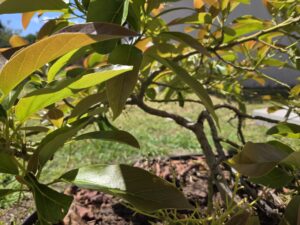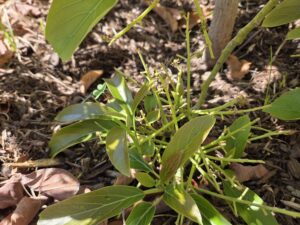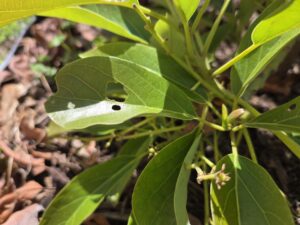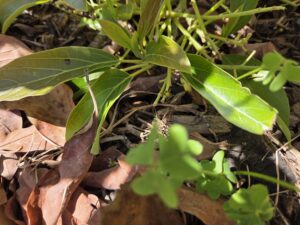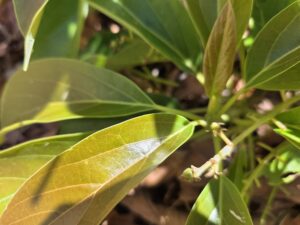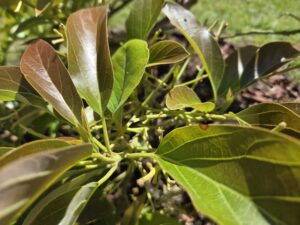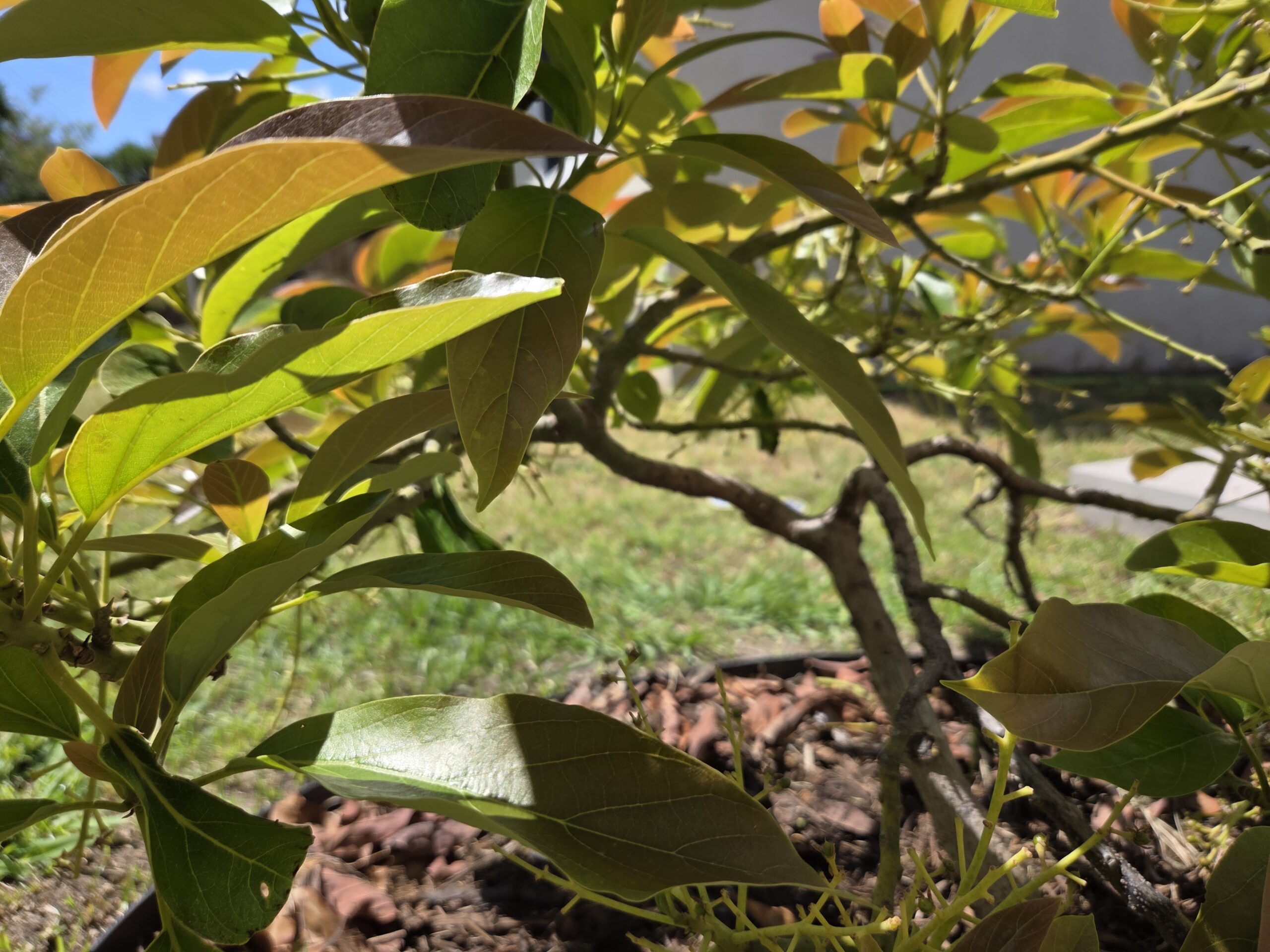
Growing up, I never thought I’d be the type of person to get excited over a backyard fruit tree. But here I am, checking on my Reed avocado almost every morning like it owes me something, because honestly, after a few rough years, it kind of does.
How It Started
I picked up this Reed avocado tree from Home Depot back in 2022. If you’re not familiar with the Reed variety, it’s actually a really fascinating cultivar. The Reed avocado was originally propagated in Carlsbad, California by James Reed in 1948 and subsequently patented in 1960, so it has deep California roots, which feels fitting given that I’m growing mine right here in Orange County.
Speaking of Orange County, we falls within USDA Hardiness Zone 10b, which means we’re in a warm, nearly frost-free environment. That’s actually ideal for avocados. Most areas of Southern California are suitable for avocados, except for the mountains and high deserts where it gets too cold and too dry for fruit set. So at least the location was working in my favor from the start.
The Honest Truth: The First Two Years
I’ll be straight with you. I did not take great care of this tree in the beginning. Inconsistent watering, barely any fertilizing, and not much thought put into the soil. I knew avocados could be finicky, but I figured it would sort itself out. Spoiler: it did not.
Avocado trees planted as saplings usually take 3 to 4 years to begin producing fruit, and any added stress from poor irrigation or neglect can push that timeline back even further. I was definitely making things harder than they needed to be.
That said, the tree did produce for me, once. A couple of years ago, there were quite a few avocados forming on the tree, but only one managed to make it all the way to harvest. I was thrilled with that one avocado. It was huge, buttery, and absolutely worth the wait. Reed avocados are very round, medium to large fruits with an oil content ranging from 18 to 20%, giving the flesh a smooth, buttery texture. The flavor was mild and clean, honestly better than most of what you’d find at the grocery store.
What the Reed Variety Is Like
If you’ve never grown or tasted a Reed, here’s what makes it special. The fruit features a forest green skin speckled with whitish-yellow flecks, thick and semi-smooth with a pebbled texture. The skin acts almost like an avocado bowl, making it easy to scoop out the flesh. It’s a big, round fruit, think softball-sized, and it’s one of those varieties that requires less water than Hass, which is a real perk in drought-prone California.
In California, Reed’s season typically runs from June through September, so it’s a great summer variety. If you live in a milder climate close to the coast, your Reeds may take a little longer to build flavor, so you might want to hold off picking until later in summer or even into fall.
Getting More Serious This Fall
This past fall I decided to actually invest in my backyard, not just this tree, but the whole space. For the Reed, that meant finally starting a proper fertilizing routine, laying down compost, and adding a good layer of mulch around the base. I also installed a 4-inch plastic edging around the tree, which has made a huge difference in keeping everything tidy and contained.
The mulch in particular seems to be doing a lot of heavy lifting. Studies have shown that a thick layer of mulch protects avocado trees from root rot, and it helps with water retention as well, both things this tree clearly needed more of.
This Spring Looks Promising
Here’s the exciting part: this spring, there are a good number of avocados forming on the tree. After a few years of learning (the hard way) what this tree needs, I’m cautiously optimistic. I’ll be keeping up with watering consistently through the season, continuing to fertilize, and doing my best not to get too attached to every little fruit.
Avocado trees can naturally follow a pattern of alternate bearing, a heavy crop one year and a lighter one the next, so patience and consistent care throughout the growth cycle are key to more reliable harvests.
I’ll be sharing updates here as the season progresses. Fingers crossed this is the year the Reed really delivers.